Why Car Keys Snap — and Why It Happens More Than You Think
Keys are stamped from relatively thin metal blanks, and every turn of the ignition or twist of a door lock adds microscopic stress to the bow and the blade. Over time — especially on older vehicles common in neighborhoods like Borough Park, Flatbush, and Sunset Park where cars age hard through Brooklyn winters and pothole-rutted streets — the metal develops hairline fractures that are invisible to the eye. One cold morning, when the cylinder is stiff and you apply a little extra torque, the key shears cleanly at the shoulder. The fragment left inside the cylinder is often no bigger than a fingernail, smooth-sided, and sitting just deep enough to prevent any secondary key from entering.
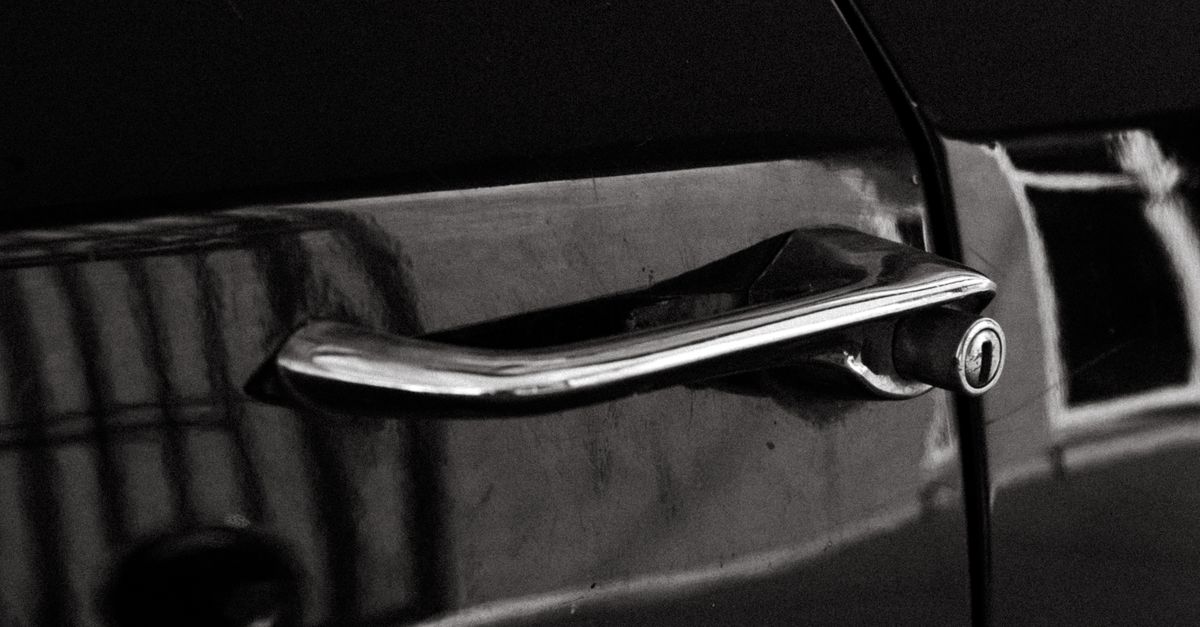
Door lock cylinders are equally vulnerable. Salt air from the harbor, street-level grit, and years of accumulated lubricant residue cause cylinder pins to bind. When a worn key meets a sticky cylinder, the combination of forces is enough to snap even a relatively new key. Ignition cylinders are typically under more stress because drivers frequently use the key ring as a handle, letting the weight of attached fobs and loyalty cards yank the blade sideways every time they hit a pothole on Coney Island Avenue. Understanding how the break happened helps our technicians choose the right extraction approach and assess whether the cylinder itself needs servicing after the fragment is removed.