What Is a Mortise Lock and Why Do Brooklyn Doors Still Have Them?
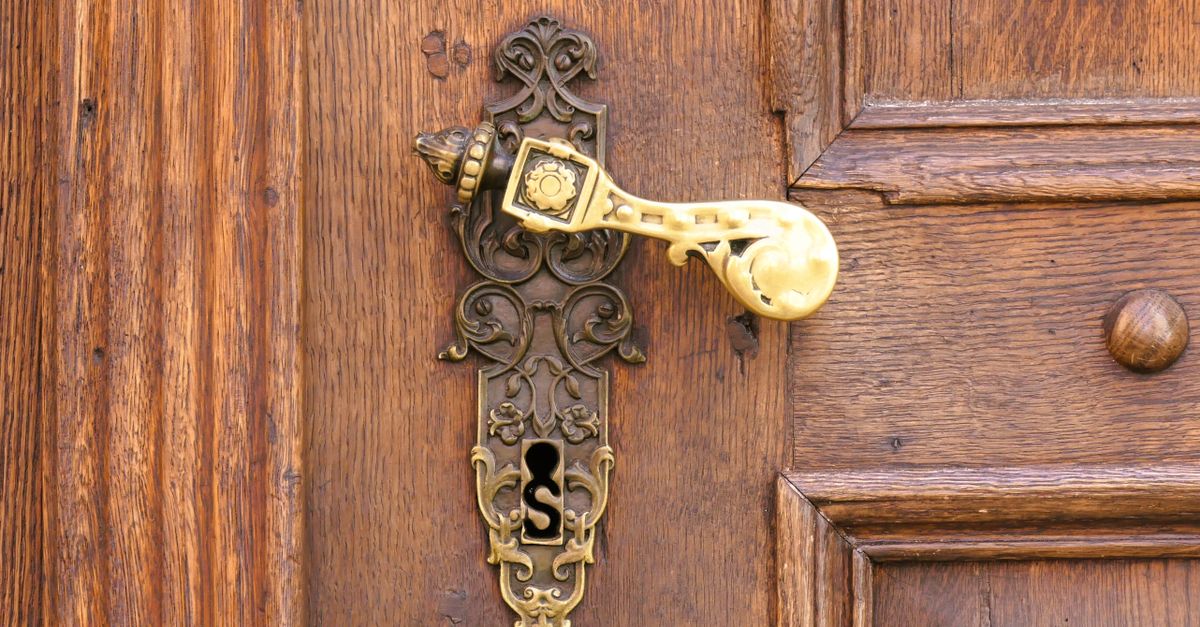
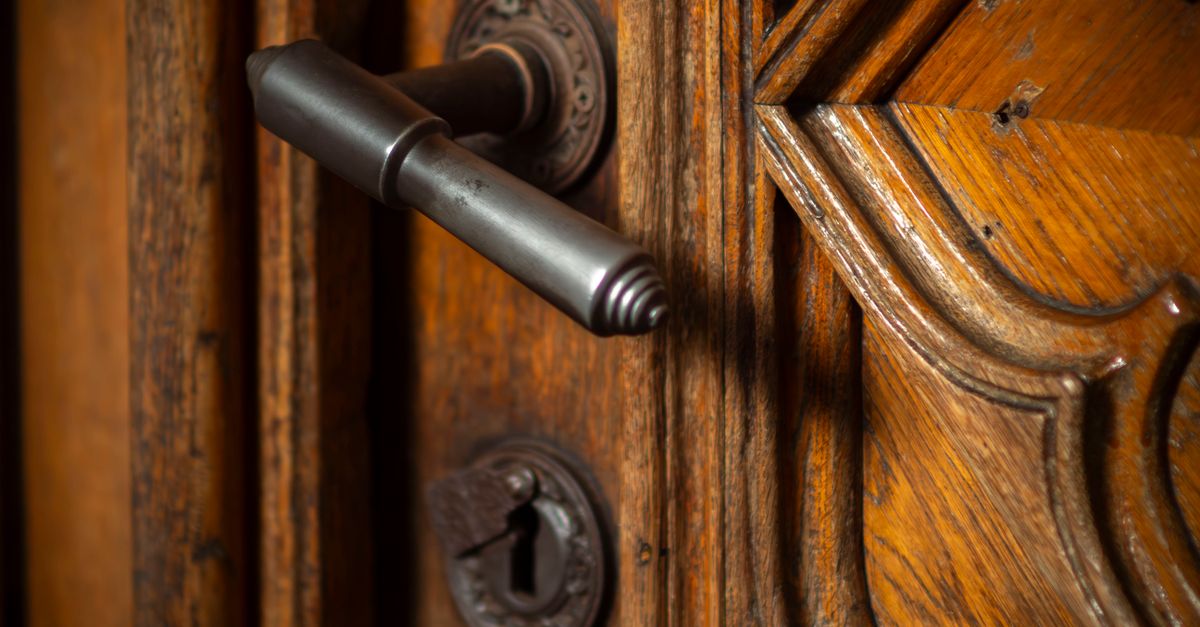
A mortise lock gets its name from the mortise — the rectangular cavity routed into the door stile to receive the lock body. Inside that body you'll typically find a spring latch (for the knob or lever), a deadbolt throw operated by a key or thumb turn, and in older commercial-grade units, a separate privacy bolt or indicator. The external trim — escutcheon plates, knobs, levers, and key cylinders — mounts to the face of the door and connects mechanically to the case inside. This design concentrates all the security hardware in one robust unit, which is why architects and builders specified it for decades before tubular cylindrical locks became cheap enough to dominate the residential market. In Brooklyn's dense urban environment, where apartment lobbies, brownstone vestibules, and street-facing doors take constant daily traffic, that original logic still holds up.
Many Borough Park and Flatbush homeowners are surprised to learn that their antique mortise hardware is actually more pick-resistant and kick-resistant than a standard Kwikset deadbolt, simply because the throw is longer and the steel case distributes stress across more of the door stile. The challenge is not the design — it's finding a locksmith with the skill set to work on hardware that hasn't been manufactured for decades, source compatible replacement cylinders, and rebuild worn components rather than defaulting to a full door modification. That's exactly the specialty our team brings to every call.